
Intergenerational Dialogue on Race and Racism in Our Communities
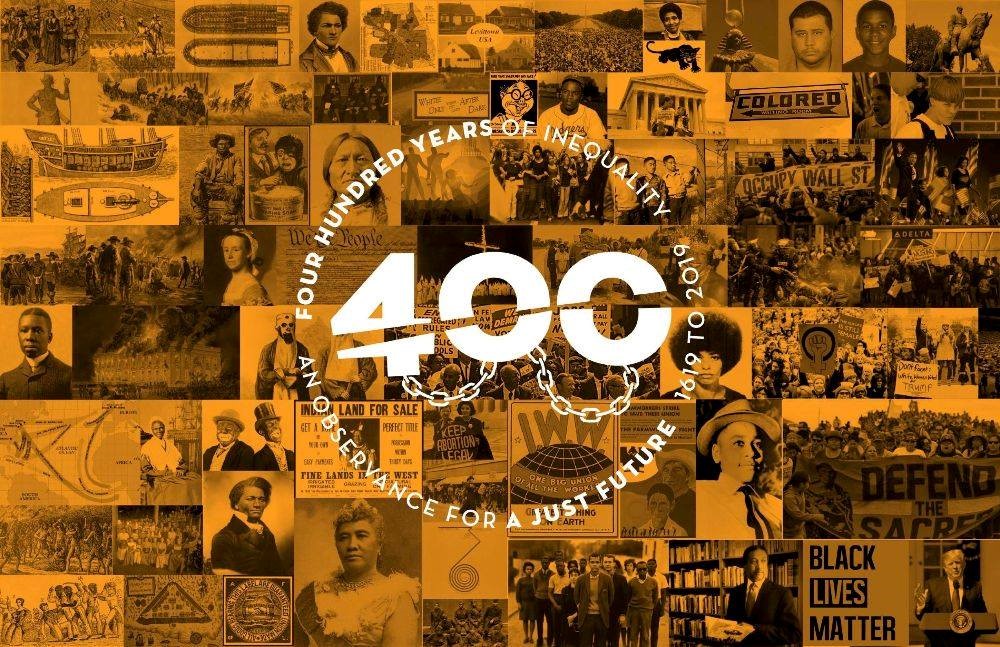
Race and Racism have been part of life in the United States since it was created nearly 250 years ago. However, the way racism works has changed over time as courageous people from all walks of life have come together to combat it. Join us for a National Day of Racial Healing dialogue to explore how experiences of race and Racism have changed over time, and what different generations can learn from each other to create more united communities. Adults of all generations and racial identities are welcomed to attend.
The dialogues are free to attend and are presented in partnership with California Conference for Equality and Justice (CCEJ).
About the facilitators
Sharon Diggs-Jackson
Improving neighborhood conditions and fostering better building community relations is my passion. Prior to my retirement from the City of Long Beach I served as the Public Affairs Officer at the Long Beach Airport, created the City's Neighborhood Nuisance Abatement Program and served on numerous community boards and social action committees. Following my retirement, my husband and I relocated to Selma, Alabama and played a key role in hosting the Voting Rights Movement 50th Anniversary Celebration.
Eydie Pasicel
Eydie Pasicel is the Director of Youth Services and Education at WomenShelter of Long Beach. Working with children within the domestic violence movement has increased Eydie’s passion to help end the root causes of family violence, as well as systemic violence, particularly on marginalized youth of color. Since graduating from Cal State University, Long Beach with a degree in Human Development, Eydie has stayed committed to her own personal development by participating in Leadership trainings and community healing modalities such as capoeira, dance, and drumming.
About the Racial Justice Dialogues
Each team of REHJ facilitators will decide upon the intention of their respective racial healing circle. Some circles will be cross-racial dialogues to build empathy across different racial and ethnic identity lines. Some circles will be racial affinity dialogues, where individuals of the same racial identity will grapple with the ways racism specifically impacts their community. Both kinds of dialogue circles are intended to provide space for community members to participate in storytelling and listening to build empathy and understanding.
About CCEJ
The California Conference for Equality and Justice (CCEJ) is a human relations organization dedicated to eliminating bias, bigotry, racism, and all forms of oppression through education, conflict resolution, and advocacy. Since 1963, CCEJ has engaged in work to transform individuals and communities, overcome conflict, and build real unity across differences throughout Southern California. To learn more about CCEJ’s work in youth and adult leadership, restorative justice, and racial justice, please visit www.cacej.org.